Precision CNC Machining Services for Custom Parts Manufacturing
# Precision CNC Machining Services for Custom Parts Manufacturing
## What Are CNC Machining Services?
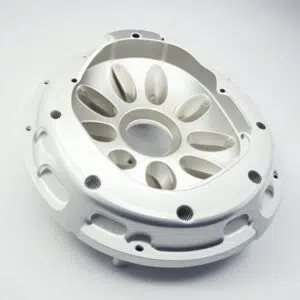
CNC machining services refer to the process of using computer numerical control (CNC) machines to manufacture custom parts with high precision. These machines follow programmed instructions to cut, shape, and form materials into desired components. CNC machining is widely used across various industries due to its accuracy, repeatability, and efficiency.
## Benefits of Precision CNC Machining
Precision CNC machining offers numerous advantages for custom parts manufacturing:
– High accuracy and tight tolerances
– Consistent quality across production runs
– Ability to work with various materials
– Complex geometries achievable
– Faster production times compared to manual machining
– Reduced material waste
## Materials Used in CNC Machining
CNC machining services can work with a wide range of materials, including:
– Metals: Aluminum, steel, stainless steel, brass, copper, titanium
– Plastics: ABS, polycarbonate, nylon, PEEK, PTFE
– Composites: Fiberglass, carbon fiber
– Wood and foam for prototyping
## Applications of CNC Machined Parts
Precision CNC machined components find applications in numerous industries:
### Aerospace Industry
Critical aircraft components require the highest levels of precision and reliability that CNC machining provides.
### Medical Sector
Surgical instruments, implants, and medical device components benefit from CNC’s accuracy and cleanliness.
Keyword: CNC machining services
### Automotive Manufacturing
Engine parts, transmission components, and custom automotive accessories are commonly CNC machined.
### Electronics Industry
Precision housings, heat sinks, and connectors for electronic devices are efficiently produced through CNC machining.
## Choosing the Right CNC Machining Service Provider
When selecting a CNC machining service for your custom parts, consider:
– Experience with your specific industry requirements
– Capability to handle your material needs
– Tolerance capabilities
– Quality control processes
– Turnaround times
– Pricing structure
– Additional services (design assistance, finishing options)
## The CNC Machining Process
The typical CNC machining process involves several key steps:
1. Design creation using CAD software
2. Conversion of design to CNC program
3. Machine setup and calibration
4. Material loading and fixturing
5. Machining operation
6. Quality inspection
7. Finishing (if required)
8. Final packaging and shipping
## Future of CNC Machining Services
As technology advances, CNC machining services continue to evolve with:
– Improved automation and robotics integration
– Enhanced software for more complex geometries
– Faster machining speeds
– Better material utilization techniques
– Integration with additive manufacturing processes
For businesses requiring high-quality custom parts, precision CNC machining services remain an essential manufacturing solution that combines traditional craftsmanship with cutting-edge technology.