Precision CNC Machining Parts for Industrial Applications
# Precision CNC Machining Parts for Industrial Applications
## The Importance of CNC Machining in Modern Industry
Computer Numerical Control (CNC) machining has revolutionized manufacturing processes across various industries. This advanced technology enables the production of high-precision parts with exceptional accuracy and repeatability, making it indispensable for industrial applications.
## Understanding CNC Machining Parts
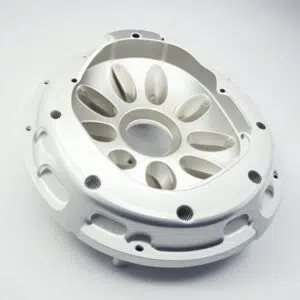
CNC machining parts are components manufactured using computer-controlled machine tools that remove material from a workpiece to create the desired shape. These parts are characterized by:
– Tight tolerances (often within ±0.001 inches)
– Excellent surface finishes
– Complex geometries
– Consistent quality across production runs
## Key Applications of CNC Machined Parts
Keyword: CNC machining parts
### Aerospace Industry
The aerospace sector relies heavily on CNC machining for critical components such as:
– Turbine blades
– Engine parts
– Structural components
– Landing gear elements
### Automotive Manufacturing
CNC machining plays a vital role in producing:
– Engine blocks and cylinder heads
– Transmission components
– Suspension parts
– Custom aftermarket upgrades
### Medical Device Production
The medical industry benefits from CNC machining for:
– Surgical instruments
– Implantable devices
– Diagnostic equipment components
– Prosthetic parts
## Advantages of CNC Machined Parts
### Superior Precision and Accuracy
CNC machines can maintain tolerances as tight as ±0.0001 inches, ensuring parts meet exact specifications consistently.
### Material Versatility
CNC machining works with a wide range of materials including:
– Metals (aluminum, steel, titanium, brass)
– Plastics (ABS, PEEK, Delrin)
– Composites
– Exotic alloys
### Cost-Effective Production
While initial setup costs may be higher, CNC machining offers:
– Lower per-unit costs for medium to high volume production
– Reduced material waste
– Minimal manual labor requirements
– Faster production times compared to conventional methods
## Choosing the Right CNC Machining Partner
When selecting a supplier for CNC machining parts, consider:
– Industry experience and certifications
– Quality control processes
– Material capabilities
– Production capacity
– Lead times
– Customer service and technical support
## Future Trends in CNC Machining
The CNC machining industry continues to evolve with:
– Advanced multi-axis machines
– Integration with Industry 4.0 technologies
– Improved automation
– Sustainable manufacturing practices
– AI-assisted machining processes
As industrial demands grow more complex, precision CNC machining parts will remain essential for maintaining competitive advantages in manufacturing and product development.