Precision CNC Machined Components for Industrial Applications
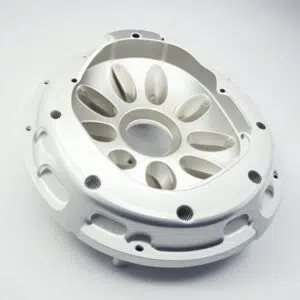
# Precision CNC Machined Components for Industrial Applications
## The Importance of CNC Machining in Modern Manufacturing
Computer Numerical Control (CNC) machining has revolutionized the manufacturing industry by providing unparalleled precision and repeatability in the production of industrial components. CNC machining parts have become essential across various sectors, from aerospace to medical devices, due to their ability to create complex geometries with tight tolerances.
## Key Advantages of CNC Machined Components
### 1. Exceptional Precision and Accuracy
CNC machines can produce parts with tolerances as tight as ±0.0001 inches, making them ideal for applications where precision is critical. This level of accuracy ensures perfect fit and function in complex assemblies.
### 2. Material Versatility
CNC machining can work with a wide range of materials including:
– Metals (aluminum, steel, titanium, brass)
– Plastics (ABS, PEEK, nylon)
– Composites
– Exotic alloys
### 3. Rapid Prototyping and Production
The digital nature of CNC machining allows for quick transition from design to production, significantly reducing lead times compared to traditional manufacturing methods.
## Common Industrial Applications of CNC Machined Parts
Keyword: CNC machining parts
### Aerospace Components
The aerospace industry relies heavily on CNC machining for critical components such as:
– Engine parts
– Landing gear components
– Structural elements
– Avionics housings
### Medical Device Manufacturing
Precision is paramount in medical applications where CNC machining produces:
– Surgical instruments
– Implants
– Diagnostic equipment components
– Prosthetic devices
### Automotive Industry
CNC machining contributes to both performance and safety in vehicles through:
– Engine blocks and cylinder heads
– Transmission components
– Suspension parts
– Custom aftermarket components
## Choosing the Right CNC Machining Partner
When selecting a supplier for your CNC machining needs, consider these factors:
### Technical Capabilities
Ensure the manufacturer has:
– State-of-the-art CNC equipment
– Multi-axis machining capabilities
– Advanced inspection and quality control systems
### Material Expertise
Look for experience working with the specific materials required for your application, including knowledge of material properties and machining characteristics.
### Quality Certifications
Reputable manufacturers should hold relevant certifications such as:
– ISO 9001
– AS9100 (for aerospace)
– ISO 13485 (for medical devices)
## Future Trends in CNC Machining
The CNC machining industry continues to evolve with emerging technologies:
### Automation and Industry 4.0
Integration of:
– Robotics for part handling
– IoT-enabled machine monitoring
– Predictive maintenance systems
### Advanced Tooling and Cutting Technologies
Development of:
– More durable cutting tools
– High-speed machining techniques
– Micro-machining capabilities
### Sustainable Manufacturing Practices
Focus on:
– Energy-efficient machining
– Waste reduction strategies
– Recycling of machining byproducts
As industrial demands grow more complex, CNC machining remains at the forefront of precision manufacturing, delivering components that meet the exacting standards of modern applications. By understanding the capabilities and advantages of CNC machined parts, engineers and procurement specialists can make informed decisions that optimize both performance and cost-effectiveness in their projects.