Fuse Disconnector: Essential Component for Electrical Safety
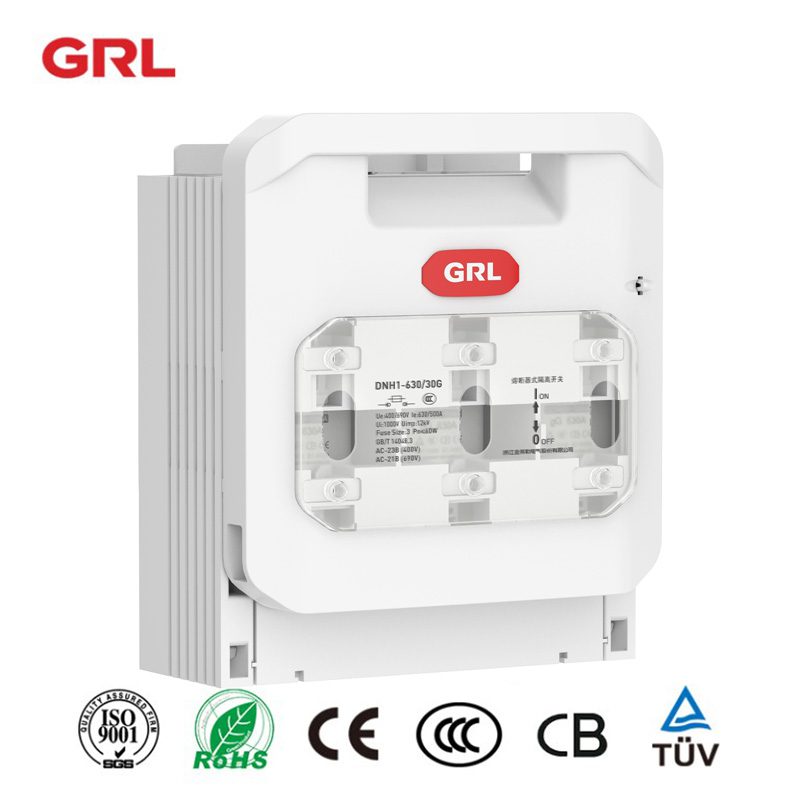
# Fuse Disconnector: Essential Component for Electrical Safety
## Introduction to Fuse Disconnectors
Fuse disconnectors play a crucial role in electrical systems by combining the functions of a fuse and a disconnector. These devices serve as both protective elements and isolation points in electrical circuits, ensuring safety during maintenance and operation.
## How Fuse Disconnectors Work
The primary function of a fuse disconnector is to:
– Protect electrical circuits from overcurrent
– Provide visible isolation when the fuse is removed
– Allow safe maintenance of downstream equipment
Keyword: Fuse Disconnector
– Enable quick restoration of power after fault clearance
When excessive current flows through the circuit, the fuse element melts, interrupting the current flow. The disconnector function becomes apparent when the fuse carrier is withdrawn, creating a visible air gap that confirms circuit isolation.
## Key Features of Quality Fuse Disconnectors
Modern fuse disconnectors incorporate several important features:
– Visible break indication
– Secure locking mechanisms
– High breaking capacity
– Durable construction materials
– Clear labeling for easy identification
– Compliance with international safety standards
## Applications in Various Industries
Fuse disconnectors find applications across multiple sectors:
### Industrial Facilities
Manufacturing plants use fuse disconnectors to protect heavy machinery and production lines from electrical faults.
### Commercial Buildings
Office complexes and shopping centers implement these devices to safeguard their electrical distribution systems.
### Renewable Energy Systems
Solar and wind power installations rely on fuse disconnectors for protection and maintenance isolation.
## Installation and Maintenance Considerations
Proper installation and regular maintenance are essential for optimal performance:
– Follow manufacturer’s guidelines for mounting and wiring
– Ensure proper fuse rating selection
– Regularly inspect for signs of wear or damage
– Test operation periodically
– Keep spare fuses of correct ratings available
## Safety Benefits
The integration of fuse and disconnecting functions provides significant safety advantages:
– Prevents accidental contact with live parts during maintenance
– Reduces risk of arc flash incidents
– Enables safe working conditions for maintenance personnel
– Minimizes downtime during fault conditions
## Choosing the Right Fuse Disconnector
When selecting a fuse disconnector, consider:
– Voltage and current ratings
– Environmental conditions
– Required breaking capacity
– Space constraints
– Future expansion needs
Consulting with electrical professionals can help ensure the proper selection for your specific application.
## Conclusion
Fuse disconnectors serve as vital components in electrical safety systems, offering both protection and isolation capabilities. Their proper selection, installation, and maintenance contribute significantly to the reliability and safety of electrical installations across various industries. By understanding their functions and benefits, electrical professionals can make informed decisions to enhance system safety and performance.