Endotoxin Detection Using Gel-Clot Assay Reagents
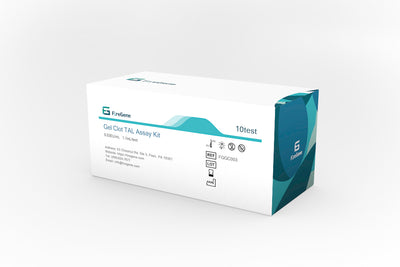
# Endotoxin Detection Using Gel-Clot Assay Reagents
## Introduction to Gel-Clot Endotoxin Reagents
Gel-clot endotoxin reagents are essential tools in the pharmaceutical and medical device industries for detecting bacterial endotoxins. These reagents form the basis of the gel-clot assay, one of the most traditional and reliable methods for endotoxin testing. The test is based on the clotting reaction of horseshoe crab (Limulus polyphemus) amebocyte lysate (LAL) when exposed to endotoxins.
## How Gel-Clot Endotoxin Reagents Work
The gel-clot method utilizes the natural immune response of horseshoe crabs to bacterial endotoxins. When endotoxins are present in a sample, they interact with specific factors in the LAL reagent, initiating a cascade of enzymatic reactions that ultimately result in the formation of a gel clot.
The sensitivity of gel-clot reagents is typically expressed in Endotoxin Units (EU) per milliliter. Common sensitivities include 0.03 EU/mL, 0.06 EU/mL, 0.125 EU/mL, and 0.25 EU/mL, allowing for detection across a wide range of endotoxin concentrations.
## Advantages of Gel-Clot Assay Reagents
Simplicity and Reliability
The gel-clot method is straightforward to perform and interpret, requiring minimal equipment. The visual endpoint (formation or absence of a gel clot) makes it highly reliable for pass/fail determinations.
Cost-Effectiveness
Compared to other endotoxin detection methods like chromogenic or turbidimetric assays, gel-clot reagents are generally more economical, especially for routine testing of small sample numbers.
Regulatory Acceptance
The gel-clot assay is fully compendial and recognized by major pharmacopeias including USP , EP 2.6.14, and JP 4.01, making it suitable for regulatory submissions.
## Applications of Gel-Clot Endotoxin Reagents
- Quality control testing of parenteral pharmaceuticals
- Medical device extract testing
- Raw material screening
- Water system monitoring
- Research and development applications
## Performing the Gel-Clot Assay
Sample Preparation
Samples must be properly prepared to avoid interference with the clotting reaction. This may include dilution, pH adjustment, or filtration depending on the sample matrix.
Test Procedure
- Prepare the LAL reagent according to manufacturer instructions
- Mix equal volumes of sample and reagent in depyrogenated tubes
- Incubate at 37°C ± 1°C for the specified time (typically 60 minutes)
- Invert the tube to check for gel formation
Interpretation of Results
Keyword: Gel-Clot Endotoxin Reagents
A positive result is indicated by the formation of a firm gel that remains in place when the tube is inverted. The absence of gel formation indicates a negative result. The test should always include appropriate controls (positive, negative, and sample controls).
## Considerations for Using Gel-Clot Reagents
While the gel-clot method is robust, several factors should be considered:
- Proper storage and handling of reagents to maintain sensitivity
- Use of depyrogenated glassware and materials
- Control of environmental conditions during testing
- Operator training in proper technique and interpretation
## Conclusion
Gel-clot endotoxin reagents remain a vital tool for endotoxin detection despite the availability of more automated methods. Their simplicity, reliability, and regulatory