Automatic Transfer Switch: Ensuring Uninterrupted Power Supply
# Automatic Transfer Switch: Ensuring Uninterrupted Power Supply
## What is an Automatic Transfer Switch?
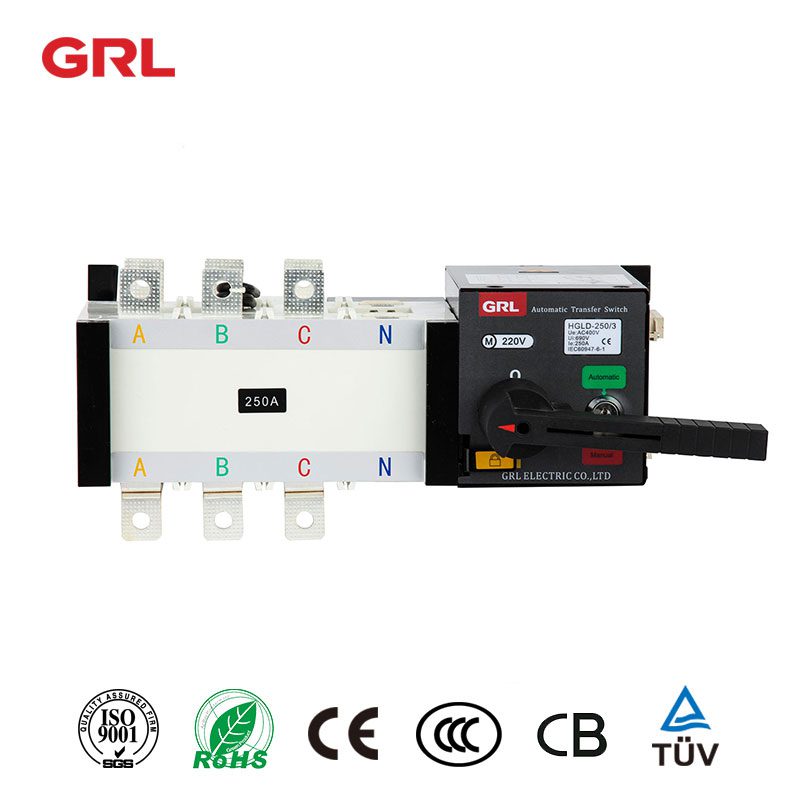
An Automatic Transfer Switch (ATS) is a critical component in power management systems designed to ensure seamless transition between primary and backup power sources. These intelligent devices monitor the incoming power supply and automatically switch to an alternative source when the primary power fails or fluctuates beyond acceptable parameters.
## How Does an ATS Work?
The operation of an automatic transfer switch follows a precise sequence:
– Continuous monitoring of the primary power source
– Detection of power failure or quality issues
– Automatic disconnection from the primary source
– Initiation of the backup generator (if applicable)
– Transfer to the secondary power source
– Continuous monitoring for primary power restoration
– Automatic retransfer when primary power stabilizes
– Shutdown of the backup generator (if applicable)
## Key Benefits of Automatic Transfer Switches
### 1. Uninterrupted Power Supply
The primary advantage of an ATS is its ability to maintain continuous power to critical loads without human intervention. This is particularly crucial for facilities like hospitals, data centers, and industrial plants where even momentary power interruptions can have severe consequences.
### 2. Enhanced Safety
Automatic transfer switches prevent dangerous backfeeding situations where power could flow back into utility lines, potentially endangering utility workers. They also ensure proper isolation between power sources.
### 3. Reduced Downtime
By eliminating the need for manual switching, ATS units significantly reduce the time between power failure and backup activation, often completing the transfer in seconds.
### 4. Equipment Protection
Many ATS models include power quality monitoring that can protect sensitive equipment from voltage fluctuations, sags, or surges by switching to cleaner power sources when needed.
## Types of Automatic Transfer Switches
### 1. Open Transition ATS
Also known as “break-before-make” switches, these briefly interrupt power during transfer, suitable for most non-critical applications.
### 2. Closed Transition ATS
“Make-before-break” switches that momentarily parallel both power sources for truly seamless transfers, ideal for sensitive equipment.
### 3. Delayed Transition ATS
Incorporates a programmed delay to allow residual voltage to decay before transferring, commonly used with large motor loads.
### 4. Static Transfer Switch
Uses solid-state components for ultra-fast transfers (within milliseconds), typically found in data center applications.
## Applications of Automatic Transfer Switches
Automatic transfer switches find applications across various sectors:
– Healthcare facilities
– Data centers and telecom installations
– Industrial manufacturing plants
– Commercial buildings
– Emergency services
– Water treatment facilities
– Military installations
## Selecting the Right ATS
When choosing an automatic transfer switch, consider these factors:
– Electrical load requirements
– Transfer time specifications
– Number of poles needed
– Environmental conditions
– Compliance with local electrical codes
– Future expansion possibilities
– Maintenance requirements
Keyword: Automatic Transfer Switch
## Maintenance Considerations
Proper maintenance ensures reliable ATS operation:
– Regular testing of transfer functionality
– Inspection of mechanical components
– Verification of control logic
– Cleaning of contacts and connections
– Lubrication of moving parts (for mechanical switches)
– Firmware updates (for microprocessor-controlled units)
## The Future of Automatic Transfer Technology
Advancements in ATS technology include:
– Integration with smart grid systems
– Enhanced power quality monitoring
– Predictive maintenance capabilities
– Improved energy management features
– Smaller, more efficient designs
– Increased communication capabilities for remote monitoring
Automatic transfer switches play a vital role in modern power distribution systems, providing reliability, safety, and peace of mind for critical power applications. As technology evolves, these devices continue to become more sophisticated, offering greater functionality and integration with broader power management systems.