Automatic Transfer Switch for Uninterrupted Power Supply
# Automatic Transfer Switch for Uninterrupted Power Supply
## What is an Automatic Transfer Switch?
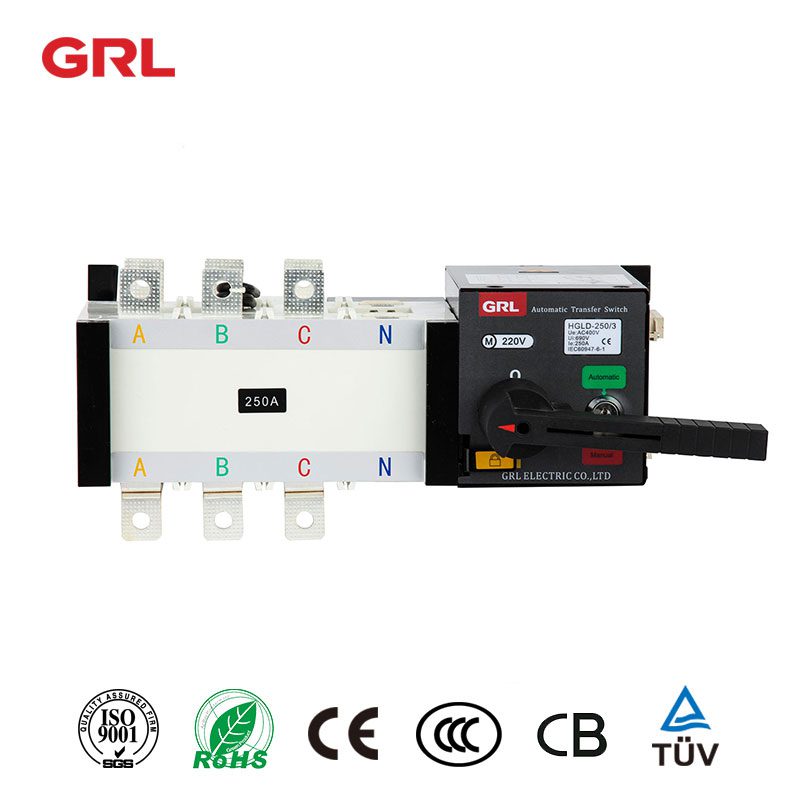
An automatic transfer switch (ATS) is a critical component in backup power systems that ensures seamless transition between primary and secondary power sources. These devices monitor the incoming power supply and automatically switch to a backup generator or alternative power source when the main supply fails.
## How Does an ATS Work?
The operation of an automatic transfer switch can be broken down into several key steps:
– Continuous monitoring of the primary power source
Keyword: Transfer Switch
– Detection of power failure or voltage fluctuations
– Automatic disconnection from the primary source
– Signal to start the backup generator (if applicable)
– Transfer of electrical load to the secondary source
– Monitoring for restoration of primary power
– Automatic re-transfer when primary power stabilizes
## Types of Automatic Transfer Switches
### 1. Open Transition ATS
This type creates a brief interruption during transfer (typically 1-3 seconds), making it suitable for most residential and commercial applications where momentary power loss is acceptable.
### 2. Closed Transition ATS
Also known as “make-before-break,” this advanced version synchronizes the power sources before transfer, eliminating any interruption in power supply.
### 3. Soft Loading Transfer Switch
This sophisticated system gradually transfers the load between power sources, ideal for sensitive equipment that cannot tolerate sudden power changes.
## Key Benefits of Using an ATS
– Ensures continuous power supply to critical systems
– Eliminates the need for manual intervention during power outages
– Protects sensitive electronic equipment from power fluctuations
– Reduces downtime and associated costs
– Improves safety by preventing backfeeding into utility lines
– Extends the life of backup generators by managing proper load transfer
## Applications of Automatic Transfer Switches
Automatic transfer switches find applications in various sectors:
– Hospitals and healthcare facilities
– Data centers and server rooms
– Telecommunications infrastructure
– Industrial manufacturing plants
– Commercial buildings and offices
– Residential homes with backup generators
– Military and government installations
## Choosing the Right ATS for Your Needs
When selecting an automatic transfer switch, consider these factors:
– Power capacity requirements
– Number of phases (single or three-phase)
– Transfer time specifications
– Environmental conditions
– Compliance with local electrical codes
– Integration with existing power systems
– Future expansion possibilities
## Maintenance Considerations
To ensure reliable operation of your ATS:
– Perform regular testing according to manufacturer guidelines
– Keep contacts clean and properly lubricated
– Verify proper operation of all control circuits
– Check for signs of overheating or wear
– Maintain proper documentation of all maintenance activities
– Schedule professional inspections annually
## The Future of Transfer Switch Technology
Modern automatic transfer switches are incorporating advanced features such as:
– Remote monitoring and control capabilities
– Integration with smart grid technologies
– Predictive maintenance algorithms
– Enhanced cybersecurity features
– Improved energy efficiency
– Compatibility with renewable energy sources
As power reliability becomes increasingly critical in our digital world, automatic transfer switches play a vital role in maintaining uninterrupted operations across all sectors of society.