Sanitary Napkin Packaging Design: Innovation and Sustainability in Feminine Hygiene
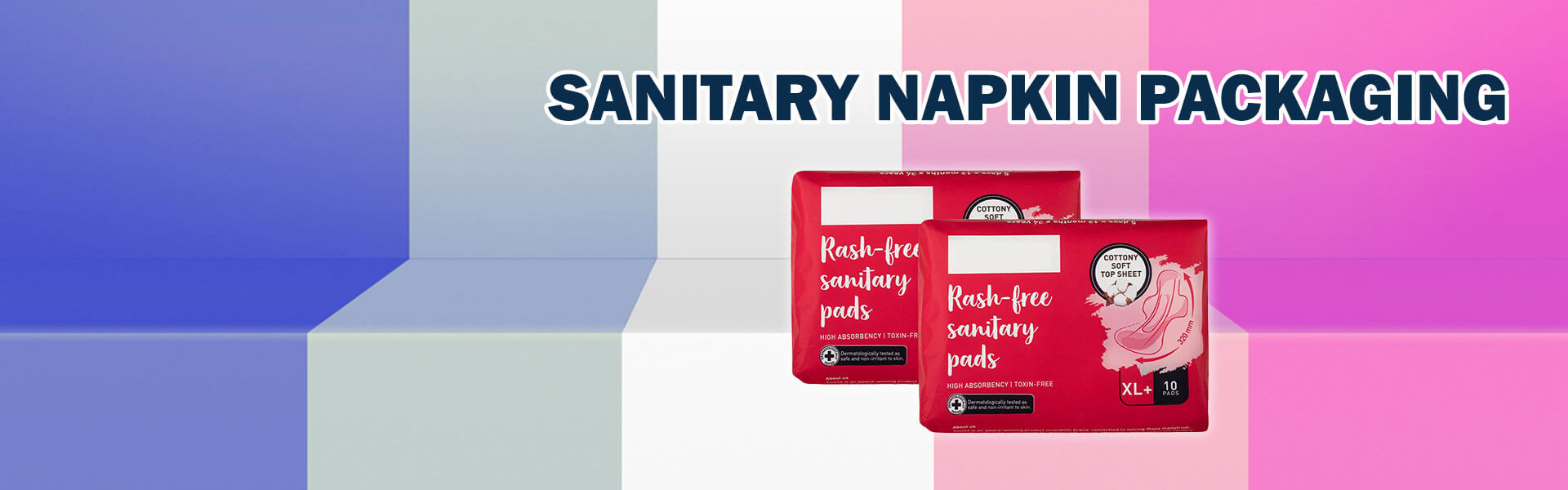
# Sanitary Napkin Packaging Design: Innovation and Sustainability in Feminine Hygiene
## The Evolution of Sanitary Napkin Packaging
The packaging of sanitary napkins has undergone a remarkable transformation over the past few decades. What was once a purely functional aspect of feminine hygiene products has now become an important element in brand differentiation, user experience, and environmental responsibility.
Modern sanitary napkin packaging design must balance several key factors:
– Discretion and privacy
– Ease of use and portability
– Product protection
– Environmental considerations
– Brand messaging
## Key Trends in Contemporary Packaging Design
### 1. Sustainable Materials
One of the most significant shifts in sanitary napkin packaging has been the move toward eco-friendly materials. Many brands now use:
– Recycled paperboard
– Biodegradable films
– Plant-based inks
– Minimalist designs to reduce material usage
### 2. User-Centric Features
Innovative packaging now includes features that enhance the user experience:
– Resealable closures for used product disposal
– Compact designs for discreet carrying
– Easy-open mechanisms
– Individual wrappers within larger packages
### 3. Inclusive Design
Forward-thinking brands are moving beyond traditional pink packaging to:
– Gender-neutral color schemes
– Packaging that appeals to all age groups
– Clear, informative labeling
– Designs that destigmatize menstruation
## The Role of Packaging in Brand Positioning
Keyword: sanitary napkin packaging design
Sanitary napkin packaging has become a powerful tool for brand communication. Some approaches include:
1. Premium Positioning
Luxury brands use sophisticated designs with matte finishes, embossing, and minimalist aesthetics to convey quality and refinement.
2. Socially Conscious Brands
Companies focusing on sustainability often highlight their eco-friendly packaging through natural textures, green certifications, and transparent messaging about materials.
3. Youth-Oriented Designs
Brands targeting younger consumers incorporate bold colors, playful patterns, and interactive elements like QR codes linking to educational content.
## Challenges in Packaging Innovation
While there have been significant advances, the industry still faces several packaging challenges:
– Balancing sustainability with product protection
– Maintaining affordability while using premium materials
– Ensuring packaging is accessible to all users
– Meeting regulatory requirements across different markets
– Addressing cultural sensitivities in global markets
## The Future of Sanitary Napkin Packaging
Emerging trends suggest several directions for future development:
1. Smart Packaging
Integration of technology for inventory tracking, period prediction, or product information through NFC or QR codes.
2. Zero-Waste Solutions
Completely compostable or reusable packaging systems that eliminate waste entirely.
3. Personalized Packaging
Customizable designs or subscription-based models that allow users to select their preferred packaging style.
4. Educational Packaging
Packaging that serves as a platform for menstrual health education and awareness.
## Conclusion
The design of sanitary napkin packaging has evolved from being purely functional to playing a crucial role in brand identity, user experience, and environmental responsibility. As consumer expectations continue to rise and sustainability becomes increasingly important, we can expect to see even more innovation in this space. The future of feminine hygiene packaging lies in solutions that are not only practical and attractive but also environmentally conscious and socially progressive.