Precision CNC Machining Parts for Industrial Applications
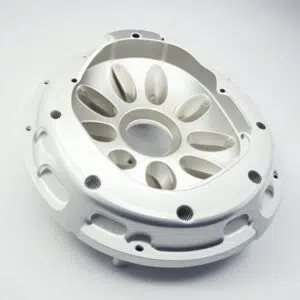
html
Precision CNC Machining Parts for Industrial Applications
In today’s fast-paced industrial landscape, precision and efficiency are paramount. CNC machining parts have become the backbone of modern manufacturing, offering unparalleled accuracy and repeatability for a wide range of applications. From aerospace components to medical devices, CNC machined parts play a critical role in ensuring product quality and performance.
The Advantages of CNC Machining Parts
CNC (Computer Numerical Control) machining offers numerous benefits for industrial applications:
- Exceptional precision with tolerances as tight as ±0.001 inches
- High repeatability for consistent part quality
- Ability to work with various materials including metals, plastics, and composites
- Complex geometries that would be difficult or impossible with manual machining
- Faster production times compared to traditional methods
Common Industrial Applications
CNC machining parts serve critical functions across multiple industries:
Aerospace Components
The aerospace industry relies heavily on CNC machined parts for aircraft structures, engine components, and flight control systems where precision and reliability are non-negotiable.
Medical Equipment
From surgical instruments to implantable devices, medical-grade CNC parts must meet stringent quality standards and often require biocompatible materials.
Automotive Parts
CNC machining produces everything from engine blocks to transmission components in the automotive sector, where durability and precision are essential.
Industrial Machinery
Heavy equipment manufacturers use CNC parts for gears, shafts, and other critical components that must withstand extreme operating conditions.
Material Selection for CNC Parts
Choosing the right material is crucial for CNC machining parts. Common options include:
| Material | Properties | Typical Applications |
|---|---|---|
| Aluminum | Lightweight, corrosion-resistant, good strength-to-weight ratio | Aerospace, automotive, electronics |
| Stainless Steel | High strength, corrosion resistance, durability | Medical devices, food processing, marine applications |
| Titanium | Exceptional strength, lightweight, biocompatible | Aerospace, medical implants, high-performance automotive |
| Plastics (e.g., PEEK, Delrin) | Lightweight, chemical resistance, electrical insulation | Medical, electronics, consumer products |
Quality Assurance in CNC Machining
To ensure the highest quality CNC machining parts, manufacturers implement rigorous quality control measures:
- First-article inspection (FAI) to verify initial production
- In-process inspections during manufacturing
- Final inspection using coordinate measuring machines (CMM)
- Surface finish analysis
- Material certification and traceability
By combining advanced CNC technology with strict quality protocols, manufacturers can deliver precision parts that meet the most demanding industrial requirements.
The Future of CNC Machining Parts
As industries continue to demand higher precision and more complex components, CNC machining technology evolves to meet these challenges. Emerging trends include:
- Integration with Industry 4.0 and IoT for smart manufacturing
- Advanced multi-axis machining capabilities
- Improved automation