PDC Cutter Performance Optimization in Drilling Applications
# PDC Cutter Performance Optimization in Drilling Applications
## Introduction to PDC Cutters
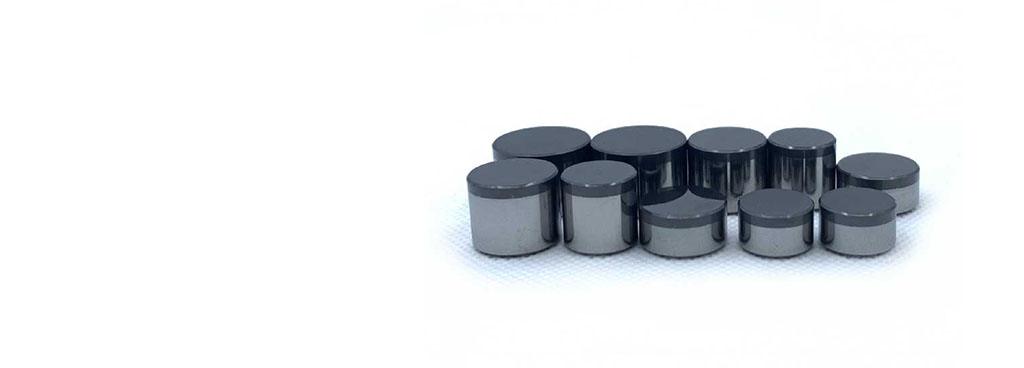
Polycrystalline Diamond Compact (PDC) cutters have revolutionized the drilling industry since their introduction in the 1970s. These cutting tools combine the extreme hardness of synthetic diamond with the toughness of a tungsten carbide substrate, making them ideal for various drilling applications.
## Key Factors Affecting PDC Cutter Performance
### 1. Material Composition
The quality of the diamond table and the bonding interface between the diamond layer and carbide substrate significantly impact cutter durability. Advanced manufacturing techniques now allow for more consistent diamond grain structures and stronger bonds.
### 2. Cutter Geometry
The shape and size of PDC cutters play a crucial role in their performance:
– Back rake angle
– Side rake angle
– Chamfer design
– Cutter diameter
### 3. Thermal Stability
Keyword: cutter pdc
PDC cutters can experience thermal degradation at temperatures above 700°C. Modern cutters incorporate thermal barriers and improved cooling channels to mitigate this issue.
## Optimization Strategies for PDC Cutters
### 1. Advanced Material Development
Researchers are continuously working on:
– Nano-structured diamond layers
– Improved carbide substrates
– Enhanced interfacial bonding techniques
### 2. Innovative Cutter Designs
New cutter geometries are being developed to address specific drilling challenges:
– Asymmetric cutter designs for directional drilling
– Multi-layer diamond tables for extended wear resistance
– Specialized chamfers for impact resistance
### 3. Operational Optimization
Proper application of PDC cutters can significantly improve performance:
– Matching cutter type to formation characteristics
– Optimizing weight on bit and rotational speed
– Implementing effective cooling strategies
## Field Performance Evaluation
Recent field tests have demonstrated:
– 30-50% increase in rate of penetration (ROP) compared to conventional cutters
– Extended bit life in abrasive formations
– Improved stability in directional drilling applications
## Future Trends in PDC Cutter Technology
The drilling industry is moving toward:
– Smart cutters with embedded sensors
– Self-sharpening cutter designs
– Environmentally friendly manufacturing processes
– Hybrid cutter systems combining PDC and other cutting technologies
## Conclusion
Optimizing PDC cutter performance requires a holistic approach that considers material science, mechanical design, and operational parameters. As drilling environments become more challenging, continued innovation in PDC cutter technology will be essential for maintaining efficiency and reducing costs in the oil and gas industry.